Can Seniors Get A Tree Removed For Free
Seniors can sometimes get a tree removed for free, but such aid is not common and approval is never sure. Who pays depends on who owns the tree, where it grows, and whether local aid exists. A city may act on a public tree. A utility may address limbs near its lines. Private yard trees are often the owner's task. This guide, reviewed in October 2026, shows where to ask and what to do while you wait. Check ownership, record the risk, and seek the right type of help.
Get in touchCan Seniors Get a Tree Removed for Free?
Sometimes aid exists, but it is not common and it is never guaranteed. Free tree removal for seniors depends on who owns the trunk, where it stands, and what local aid groups offer. Public funds do not cover every private yard. This guide shows where to search for help and how to protect your home while waiting. No program can promise an approval, so having clear facts ready is your best first move.
Why Free Tree Removal Is Hard to Find
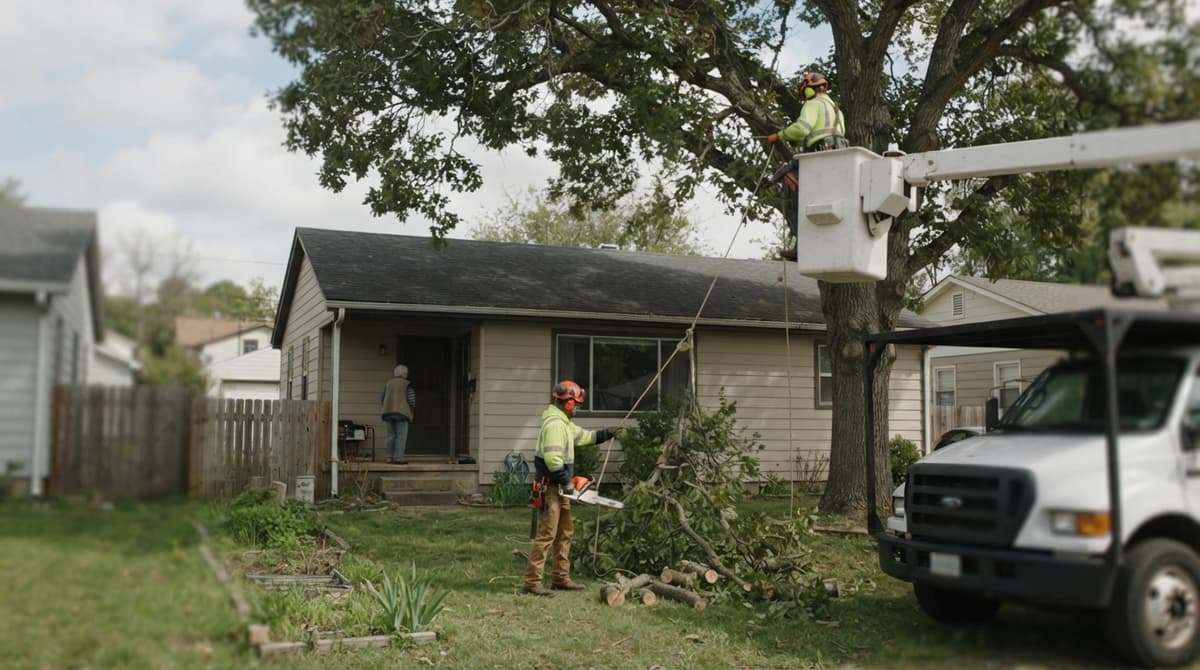
Cutting down a large trunk costs real money because it needs heavy equipment, rigging lines, and a skilled crew. Most community funds run on small budgets that run dry early in the year. Long waitlists are standard for non-profit home repair aid across every county. Because money is tight, coordinators save their resources for urgent hazards or trees rooted entirely on public land.
Who Owns the Tree? Start Here
Who is responsible for a tree on city property? The local municipality manages trees that grow inside the public right of way. A tree rooted inside your private lot line remains your personal duty. A plant set in the easement strip between the sidewalk and the street often belongs to the public works department. Limbs touching high-voltage electrical wires belong to the utility provider, not private homeowners. You can verify boundary records by checking parcel maps on the Franklin County Auditor site before you spend any cash.
Local Programs That May Help Seniors
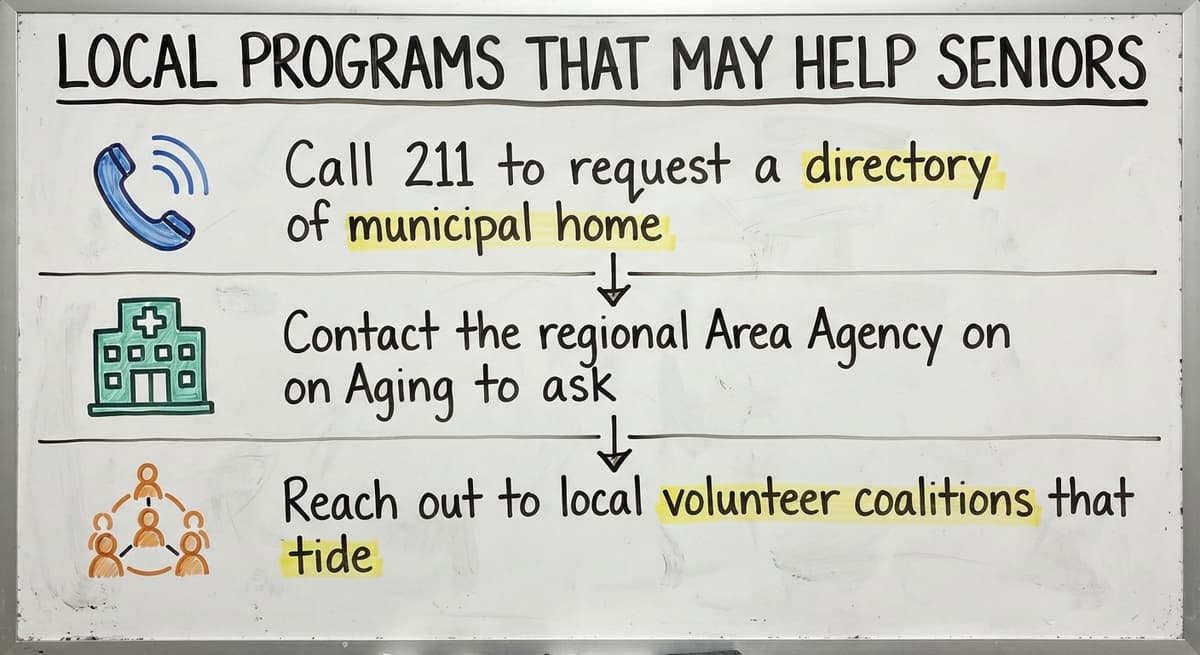
County agencies and municipal offices sometimes manage home repair grants for low-income older adults. You can search your area through the Eldercare Locator to connect with your nearby Area Agency on Aging. Dialing 211 connects you to an operator who tracks local charitable funds. Volunteer teams and faith groups sometimes clear yard debris, yet their tools and labor limits vary by season. You can also review our [tree removal service page] to learn how professional teams handle tricky lot lines. Asking for help early gives you time to explore every community option:
- Call 211 to request a directory of municipal home maintenance grants.
- Contact the regional Area Agency on Aging to ask about safety grants.
- Reach out to local volunteer coalitions that assist older residents with yard hazards.
When a Utility Company or City May Remove a Tree
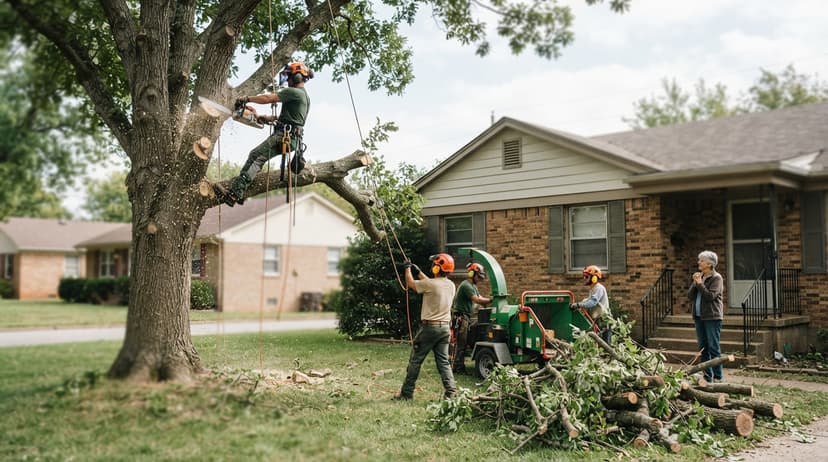
Power suppliers prune or fell plants that threaten their overhead infrastructure. According to the Occupational Safety and Health Administration, "only qualified employees or qualified trainees shall be allowed to work closer than the minimum approach distances" to energized lines. Municipal street crews clear hazardous trees rooted on park property or road easements. Neither group performs complimentary yard work on personal lawns. Stay at least 35 feet away from any fallen line and call the power company at once.
Does Homeowners Insurance Pay for Tree Removal?
Insurance policies do not pay to cut down standing trees simply because they are old. Coverage usually applies only when an active trunk falls and damages an insured building. According to guidance from the Insurance Information Institute, policies usually assist with cleanup costs when a tree falls on a covered structure during a windstorm. Elective cutting of an unwanted plant comes directly out of your own pocket. Call your insurance agent to verify coverage terms before authorizing any work on your property.
What About Help After a Storm?
Major weather events prompt federal and county emergency teams to open public debris sites. According to the Federal Emergency Management Agency, public disaster programs help clear debris that blocks roads or threatens public health. Assistance depends on an official disaster declaration from state leaders. Beware of traveling crews knocking on doors asking for paper currency upfront. If severe winds strike your neighborhood, our [storm damage tree cleanup page] outlines the necessary safety steps. Watch your local news station for drop-off sites rather than paying unknown workers.
How to Tell If Your Tree Is a Real Hazard
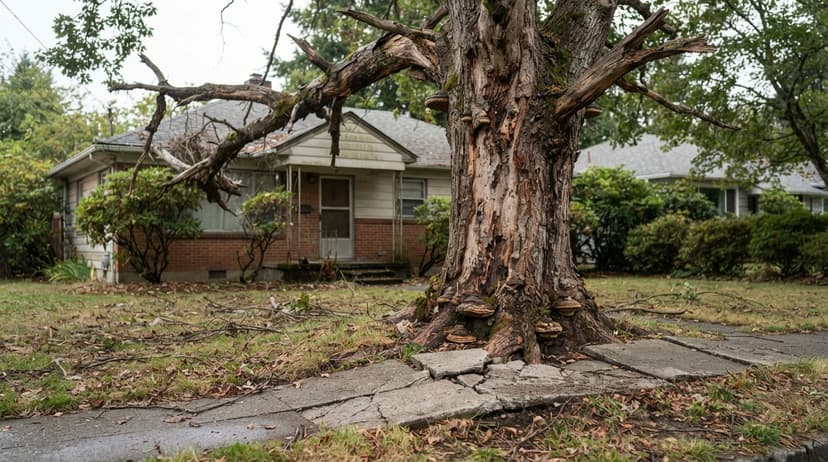
Dead branches, fresh trunk cracks, and fungal growth near the root flare indicate serious internal wood decay. Roots that lift soil near driveways also signal anchor failure. You can learn how arborists spot structural defects by reviewing standards from the International Society of Arboriculture. Take dated photos from several angles to document the risk. Keep children, pets, and parked cars outside the fall zone:
- Look for hollow cavities or deep vertical splits along the main trunk.
- Check for shelves of mushrooms growing directly on the lower bark.
- Document soil heaving or exposed broken roots after high winds.
Low-Cost Ways to Lower the Bill
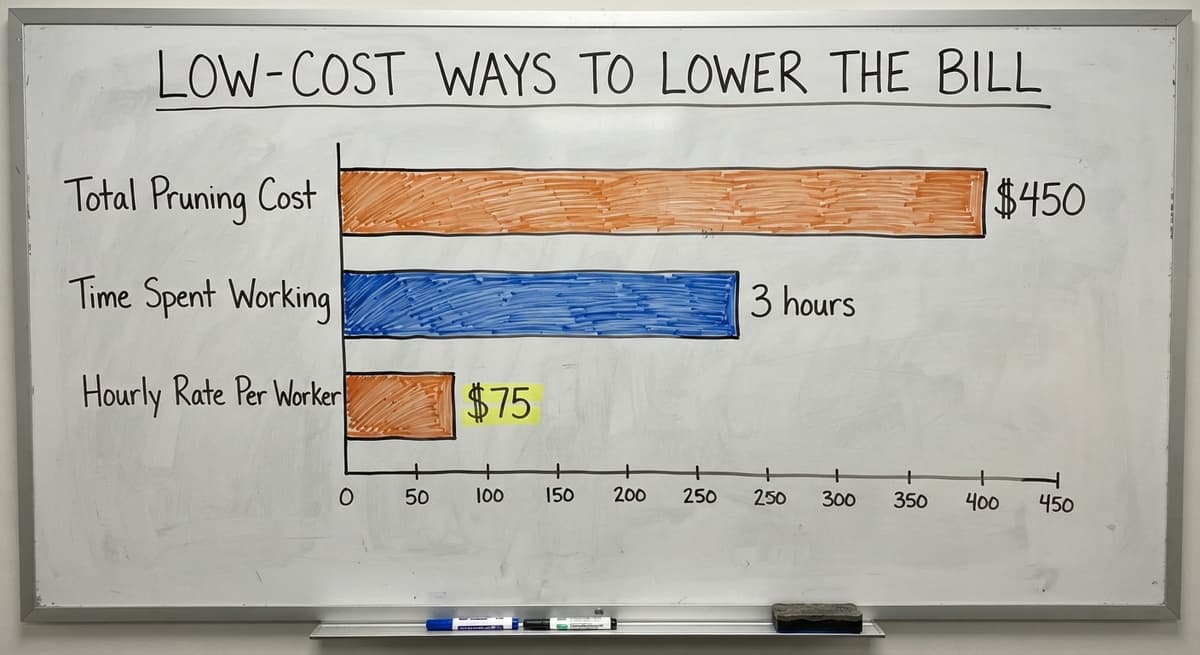
Can tree trimming fix the issue instead of full removal? Pruning dead limbs often stabilizes a plant at a fraction of the cost of felling it. If 2 ground workers spend 3 hours pruning at $75 per hour, your cost is $450 instead of thousands for a total takedown. Getting 2 written estimates helps you compare practical options. For minor canopy work, check out our [tree trimming page] for details. Exploring alternatives keeps money in your pocket:
- Ask an arborist if selective crown pruning solves your safety issue.
- Request work during slower winter months when scheduling is open.
- Keep the firewood on site to reduce haul-off costs.
Why Not Cut It Yourself or Hire a Cheap Helper?
Chainsaws, tall extension ladders, and shifting timber cause severe physical injuries. The Centers for Disease Control and Prevention notes that falling branches and equipment mishaps remain leading causes of yard work trauma. Unvetted laborers often drop heavy wood on fences and vanish without paying for repairs. You can explore our [stump grinding page] to understand what proper ground clearance needs. Hiring trained crews protects your home and physical safety.
What to Have Ready Before You Ask for Help
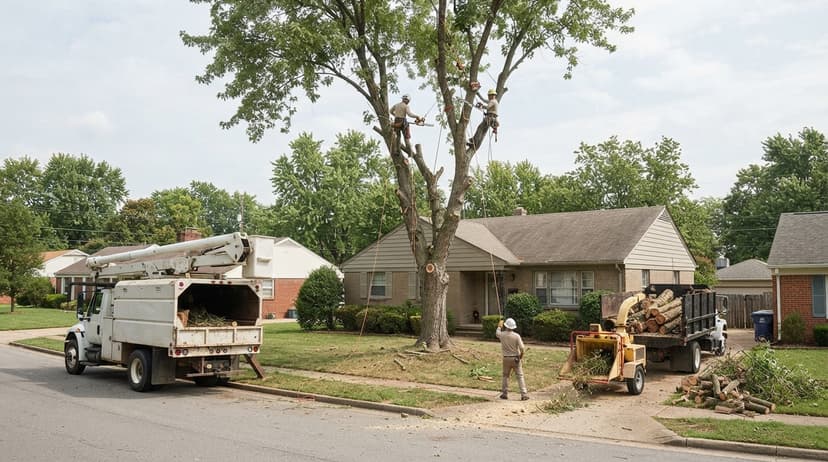
Gather your street address, parcel number, and clear photos showing the leaning trunk. If you apply for municipal aid, have proof of income, age, and homeownership on hand. Keep your insurance policy number handy if a branch already touched a roof. Review our [service areas page] to see where certified tree crews operate. Having paperwork in order speeds up your application with local social workers:
- Store photos of the tree base and upper canopy on your cell phone.
- Prepare copies of your annual property tax bill to prove ownership.
- Ask a trusted family member to sit with you when making phone inquiries.
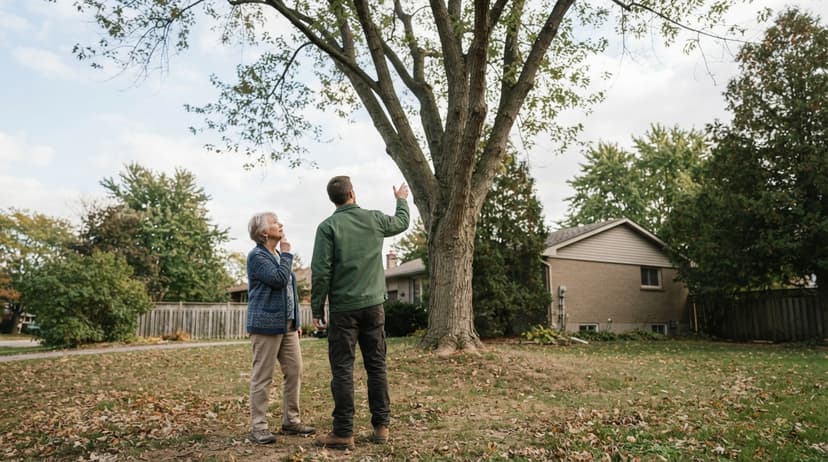
Need a Tree Looked At in East Columbus?
Homeowners in east Columbus can reach out to schedule an in-person assessment. Visiting your property allows a specialist to inspect the trunk, evaluate soil conditions, and outline safe options. You can visit our [request a visit page] to choose an appointment time, which we confirm by phone. A proper site review gives you the exact facts needed to protect your yard.
Frequently asked questions
Can senior citizens get trees cut down for free?
Yes, in some cases, but free help is rare. A city may handle a public tree. A utility may deal with limbs near its lines. Local aging offices or charities may know of aid for private trees. The federal Eldercare Locator can help older adults find local resources. Each group sets its own rules and may have a waitlist.
How to get a tree removed for free?
First, ask the city or county who owns the tree. Next, call the utility if wires are at risk. For a tree on your land, call 211 or search the 211 aid network for local help. You can also ask a senior aid office about yard safety programs. No group must accept a request.
Will insurance pay for tree removal?
Insurance may pay when a fallen tree harms a covered home or other insured site. It may also help with part of the cleanup. A healthy tree removed by choice is often not covered. Terms and limits vary by policy. Review the home insurance guidance from the National Association of Insurance Commissioners, then call your agent before work starts.
Is there a tree cutting service for seniors?
Some local groups offer tree removal help for seniors, but there is no single nationwide service. Ask your Area Agency on Aging, city housing office, county office, and local nonprofit groups. Senior tree removal assistance may focus on low income homes or urgent risks. Call 211 to learn what aid may exist in your ZIP code.
Who is responsible for a tree on city property?
The city usually oversees trees on land it owns. This may include some street trees and trees in public parks. Local rules differ, so do not rely on the tree's spot alone. Call the city or county office and give the exact address. In Columbus, residents can start with the city's urban forestry information.
Will a utility company remove a tree near power lines?
A utility may trim or remove growth that puts its lines at risk. It may not handle the full tree if the rest stands on private land. Stay far from limbs that touch a wire. Call the utility at once. An OSHA safety rule says, “Line-clearance tree trimming operations shall be performed by line-clearance tree trimmers or line-clearance tree-trimmer trainees.”
What should I do if a tree looks dangerous and I can't pay right now?
Keep people, pets, and cars away from the tree. Take dated photos from a safe spot. Note cracks, dead limbs, lifted roots, or a new lean. Have your address, policy details, proof of age or income, and a short note ready. Ask the city, utility, insurer, and local aid groups for dead tree removal help. Near east Columbus, use the Request a visit page to ask about options. The request is confirmed by phone and does not promise free work.
How can I avoid scams after a storm?
Be wary of door-to-door crews that demand cash before work starts. Ask for a clear written quote and compare 3 bids when the risk is not urgent. Do not sign blank forms or hand over insurance rights. The Federal Trade Commission gives tips for spotting scams after bad weather. Choose safe, well-planned hazardous tree removal over a rushed deal.
Start with a free first look
A 30 minute call, your operation mapped, and a clear picture of what we would build. No obligation and nothing to install.
Get in touchRelated guides
More on the same work.
Guides
- Emergency Tree Service Westerville Oh
- Emergency Tree Service Lithopolis Oh
- Emergency Tree Service Grove City Oh
- Tree Care Columbus Oh
- Dead Tree Removal Columbus Oh
- Emergency Tree Service Lancaster Oh
- Emergency Tree Service Dublin Oh
- Emergency Tree Service Worthington Oh
- Emergency Tree Service New Albany Oh
- Ash Tree Removal Columbus Oh
- Tree Pruning Columbus Oh
- Emergency Tree Service Canal Winchester Oh
- Emergency Tree Service Groveport Oh
- Emergency Tree Service Reynoldsburg Oh
- Emergency Tree Service Bexley Oh
- Emergency Tree Service Columbus Oh
- Emergency Tree Service Blacklick Oh
- Emergency Tree Service Pataskala Oh
- Emergency Tree Service Gahanna Oh
- Emergency Tree Service Pickerington Oh
- Emergency Tree Service Whitehall Oh
- Columbus City Tree Removal